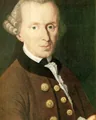
حتى غناء الطيور، الذي لا نستطيع أن نُخضعه لأيّ قاعدة موسيقية، يبدو أكثر حريةً، ومن ثَمّ أكثر ملاءمةً للذوق، من غناء الإنسان الذي يُؤدّى وفق كلّ قواعد الموسيقى؛ فنحن نملّ الأخير سريعًا جدًا إذا تكرّر كثيرًا وطال. غير أننا على الأرجح نخلط هنا بين مشاركتنا في مرح كائنٍ صغيرٍ نحبّه، وبين جمال غنائه؛ فلو قلّده الإنسان تقليدًا تامًا (كما تُقلَّد أحيانًا نغمات البلبل)، لبدا لأُذنِنا خاليًا تمامًا من الذوق.
النص الأصلي بالإنجليزية
“Even the song of birds, which we can bring under no musical rule, seems to have more freedom, and therefore more for taste, than a song of a human being which is produced in accordance with all the rules of music; for we very much sooner weary of the latter, if it is repeated often and at length. Here, however, we probably confuse our participation in the mirth of a little creature that we love, with the beauty of its song; for if this were exactly imitated by man (as sometimes the notes of the nightingale are) it would seem to our ear quite devoid of taste.”Immanuel Kant — The Critique of Judgement (2016)